
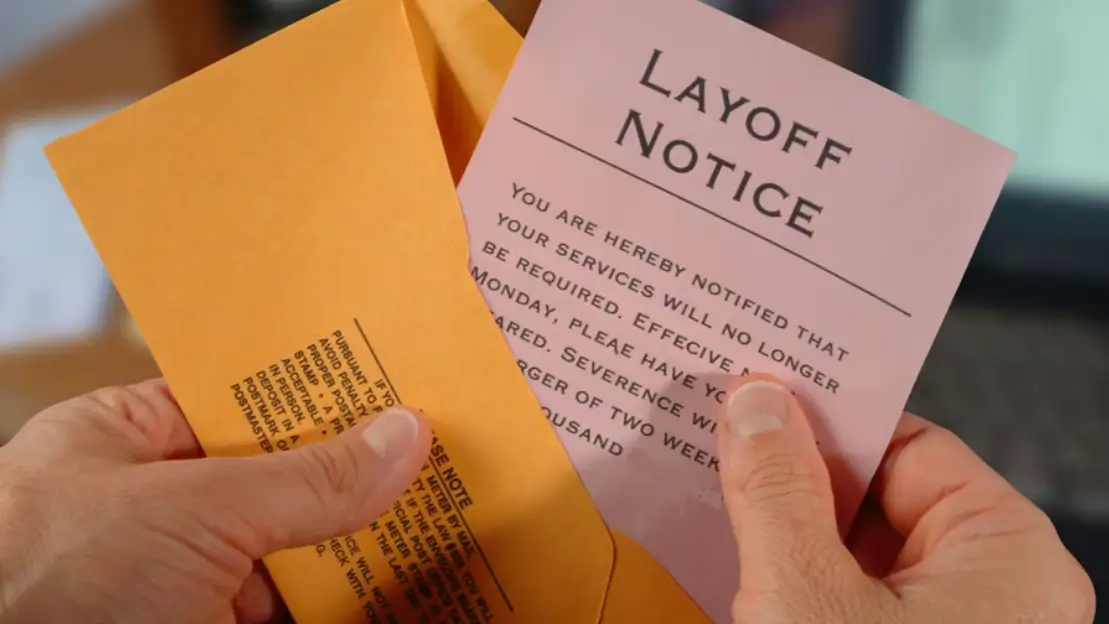

Employment contracts serve as the cornerstone of the employee-employer relationship. They outline rights, responsibilities, and expectations, but in turbulent economic times, their implications become even more critical. Recent layoffs across industries, such as YesMadam’s controversial PR campaign and major downsizings at tech giants, underscore the importance of understanding these legal agreements.
The YesMadam controversy began with a LinkedIn post claiming over 100 employees were fired after reporting high workplace stress levels. The company clarified that this was a marketing stunt, not an actual layoff, and apologized for any distress caused. However, the uproar revealed the sensitivities surrounding employment and workplace policies.
Key Elements to Examine in Employment Contracts
1. Termination Clauses
Termination clauses specify the conditions under which employment can end, including notice periods, severance, and immediate dismissals.
- Case Example: Meta (Facebook’s parent company) laid off over 11,000 employees in late 2022 and announced another 10,000 layoffs in 2023, citing a need for “efficiency.” Some employees reported confusion and dissatisfaction regarding notice periods and severance
- Key Takeaway: Always review your contract to understand termination terms, including cause-based and no-cause layoffs.
2. Redundancy and Force Majeure Clauses
Layoffs often arise from unforeseen circumstances or economic downturns, with companies invoking force majeure or redundancy clauses to justify downsizing.
- Case Example: Twitter’s mass layoffs after Elon Musk’s takeover in late 2022 and early 2023 involved cutting thousands of jobs globally. Many employees alleged that severance packages promised in their contracts were not fully honored.
- Key Takeaway: Check if your contract specifies redundancy payouts or protections against sudden layoffs.
3. Wellness Provisions and Workplace Policies
With growing awareness of mental health, contracts increasingly include wellness clauses and de-stress policies.
- Case Example: YesMadam announced initiatives like “Happy 2 Heal,” offering spa sessions and wellness leave, as part of damage control following their PR campaign. These wellness measures were well-received but also criticized as being overshadowed by the controversy
- Key Takeaway: Ensure wellness programs are documented in your contract to guarantee access.
4. Notice Periods and Severance Pay
Notice periods allow employees to prepare for transitions, while severance provides financial cushioning.
- Case Example: Amazon’s layoffs in 2023 and 2024 impacted over 27,000 employees globally. Despite offering severance packages, many employees highlighted the emotional and financial challenges of abrupt terminations.
- Key Takeaway: Always clarify severance details, especially if your role is at risk during restructuring.
5. Confidentiality and Non-Compete Clauses
Employees are often bound by non-compete agreements, which can restrict career options after layoffs.
- Case Example: In the wake of Google’s layoffs affecting 12,000 employees, several individuals expressed concerns about their non-compete clauses, which limited their ability to work with competitors .
- Key Takeaway: Understand the scope and duration of confidentiality and non-compete agreements in your contract.
Broader Lessons from Mass Layoffs
Mass layoffs are becoming alarmingly frequent, reflecting both economic pressures and management strategies. Key examples include:
- Microsoft: Cut 10,000 employees in 2023 as part of a global restructuring plan.
- Disney: Laid off 7,000 employees as part of a strategic cost-cutting initiative.
- Byju’s: The ed-tech giant terminated over 4,000 employees in 2024, citing financial restructuring needs.
Why Understanding Your Contract is Essential
Layoffs highlight vulnerabilities in employment agreements. By carefully reviewing and understanding your contract, you can ensure clarity on:
- Exit terms, including severance and notice periods.
- Protections in force majeure or redundancy scenarios.
- Wellness and grievance redressal mechanisms.
Conclusion
Employment contracts are more than just a formality; they are your safeguard in uncertain times. With companies like YesMadam, Meta, and Twitter making headlines for layoffs and related controversies, employees must remain informed and proactive. Always consult legal counsel or an HR expert to ensure your rights and interests are adequately protected.